Call Us: 704-755-4663

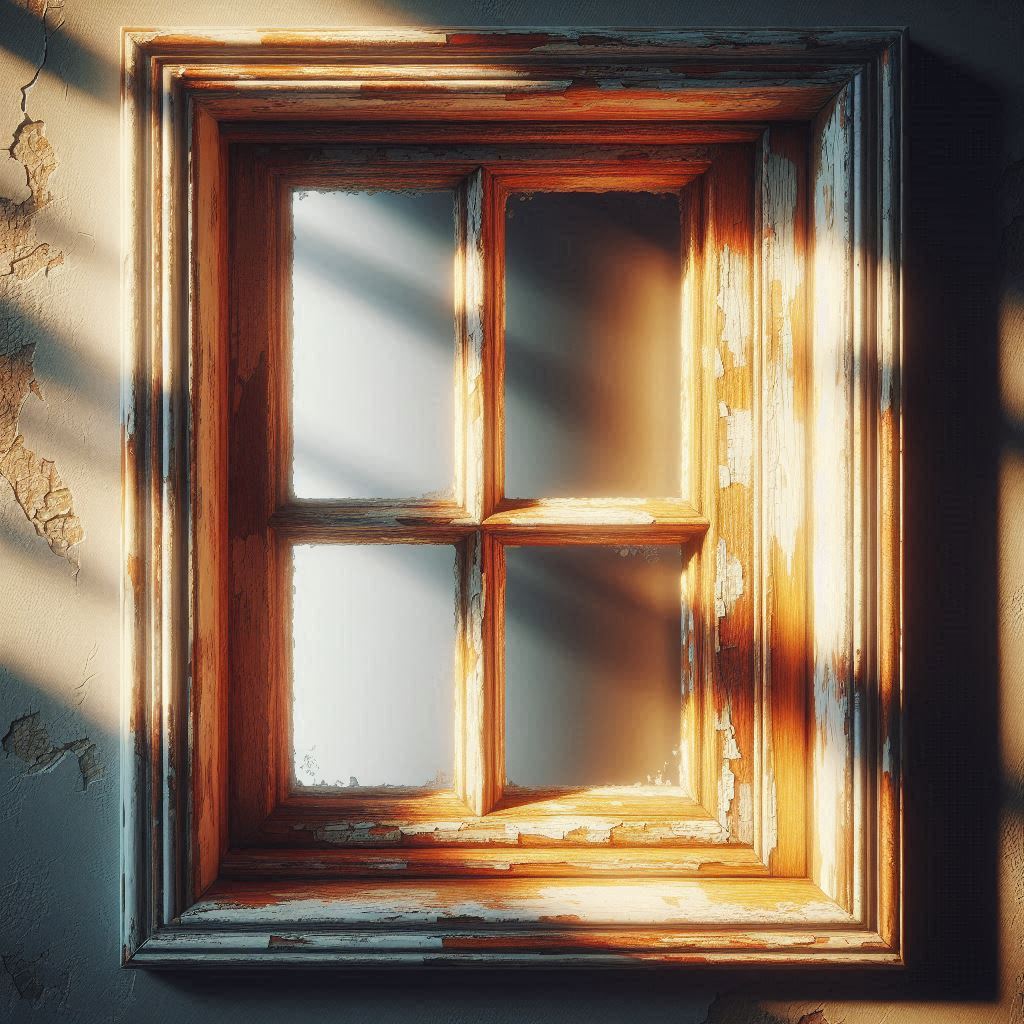
You glance at your window frame and notice a thin crack forming along the edge. Maybe it’s just in the paint… or maybe not. It’s easy to brush off minor cracks as cosmetic, but those little gaps around your windows could be a warning sign—and ignoring them can lead to bigger issues down the road.
From moisture damage to compromised insulation to structural concerns, repairing window cracks isn’t just about appearances—it’s about protecting your home.
Here’s why those cracks matter, and what you can do to fix them before they become a major problem.
Why Cracks Around Windows Are More Than Just Ugly
- Moisture Can Sneak In
Windows are one of the most common areas where water intrusion starts. When cracks form around your windows—especially between the frame and the wall—they create an easy entry point for rain and humidity.
That moisture can:
Soak into your drywall or wood framing
Encourage mold and mildew growth
Lead to rot, especially in wood-framed homes
Even hairline cracks can let in enough moisture over time to cause real damage, especially if your exterior caulking or flashing is already aging.
- Your Energy Efficiency Takes a Hit
Cracks around windows also let air escape. In the cooler season, you lose heat. In the summer, your cool air slips out. That means your HVAC system has to work harder to maintain comfort—and your energy bills will reflect that.
Sealing those cracks helps:
Keep your home comfortable year-round
Lower your heating and cooling costs
Reduce your carbon footprint
- They Could Be a Sign of Bigger Structural Shifts
While many window cracks are due to settling or natural expansion and contraction, they can sometimes indicate foundation movement or structural stress. If the cracks are widening, accompanied by difficulty opening or closing the window, or appear alongside ceiling or wall cracks, it’s time to investigate further.
How to Repair Cracks Around Your Windows
Step 1: Inspect and Identify — Look closely at where the cracks are forming:
Are they inside or outside?
Are they between the window frame and wall?
Are they in the drywall or trim?
Step 2: Clean the Area — Use a utility knife or putty knife to remove old caulk or peeling paint. Make sure the surface is dry and free of dust before applying any repair materials.
Step 3: Seal or Patch the Crack
For interior drywall cracks, use joint compound or spackling paste, then sand smooth and repaint.
For gaps between the frame and the wall, apply high-quality, paintable caulk. Use a caulk gun and smooth the bead with your finger or a caulk tool.
For exterior cracks, use weatherproof exterior-grade caulk or sealant. Consider adding flashing tape for added protection if the damage is severe.
Step 4: Repaint or Refinish — Once everything is sealed and dry, repaint or touch up the trim to finish the job and give it a fresh look.
When to Call a Pro
If you notice large or growing cracks, recurring moisture stains, or difficulty operating the window, it’s best to consult a contractor or structural engineer. Early evaluation can prevent much more costly repairs later on.
Final Thoughts
Cracks around windows might seem small, but they’re the kind of issue that can quietly snowball into major damage if left untreated. A bit of caulk, patching, and attention now can save you thousands in repairs later—not to mention protect your home’s structural integrity and comfort.