Call Us: 704-755-4663

Cracks in a home can often cause alarm for homeowners and potential buyers alike. However, these tiny fissures can actually serve as important indicators of a property’s structural health and history. Understanding how to interpret these signs can help in making informed decisions regarding maintenance and repairs. This topic is crucial as it can prevent minor issues from escalating into costly repairs, ensuring the longevity and safety of a home.
Understanding the Types of Cracks
Cracks in a home can appear in various forms, each telling a different story. Knowing how to identify these types can be invaluable:
- Hairline cracks: Usually surface-level and common in freshly plastered walls. These generally do not pose a structural threat.
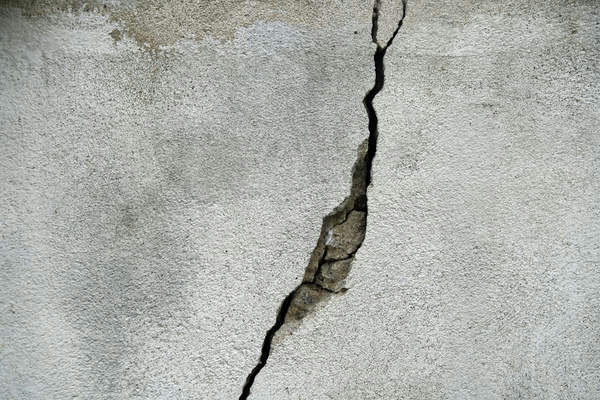
- Vertical cracks: Often found in foundations, these can indicate settling issues. While common in many homes, they should be monitored for changes in size.
- Horizontal cracks: More serious, often suggesting pressure on the walls, possibly from soil expansion. These require prompt attention.
When to Worry About Cracks
Not all cracks are created equal. It’s important to know when a crack signals a more significant problem:
- If a crack widens over time, it may indicate ongoing structural movement.
- Cracks wider than a quarter-inch, particularly in foundations, should be evaluated by a professional.
- Cracks accompanied by moisture or mold growth could suggest water infiltration issues.
Industry Standards and Best Practices
Adhering to industry standards can help in assessing and addressing cracks effectively. Professional inspectors often use guidelines such as those from the American Society of Home Inspectors (ASHI) to evaluate structural integrity. Regular inspections can identify potential issues early, and industry experts recommend that homeowners:
- Conduct visual inspections of their property at least twice a year.
- Engage professional inspection services if significant cracks are identified.
- Maintain proper drainage systems to prevent soil expansion and contraction.
Ultimately, understanding the significance of various types of cracks can help homeowners and buyers make informed decisions about their properties. Regular professional inspections play a crucial role in maintaining the structural health of a home, providing peace of mind and potentially saving on costly repairs down the line.